NVIDIA Unveils Nemotron 3 Nano Omni: All-in-One Multimodal Model Slashes AI Agent Costs by Up to 9x
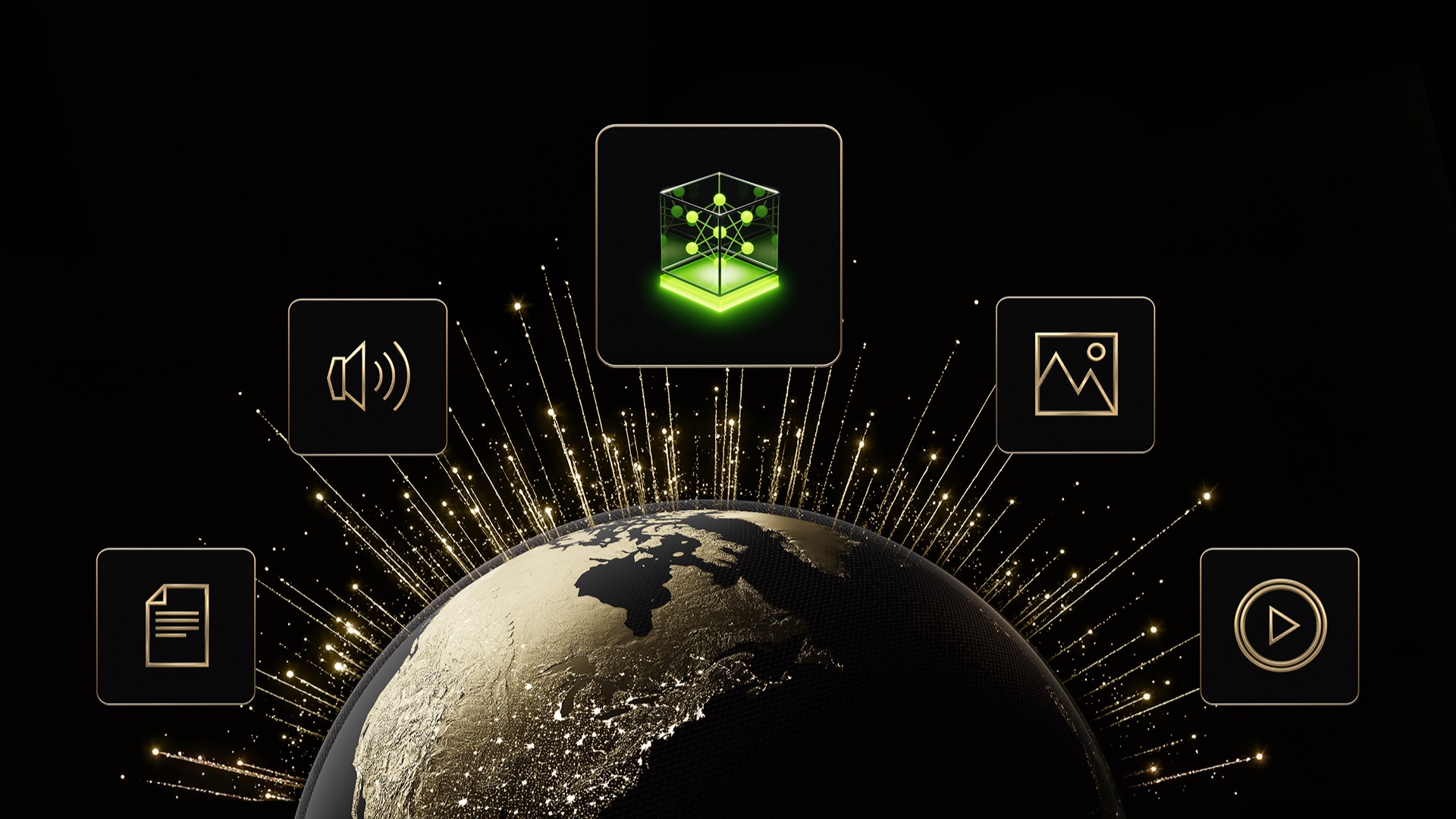
April 28, 2026 – NVIDIA today unveiled Nemotron 3 Nano Omni, an open multimodal model that unifies vision, audio, and language processing into a single system, enabling AI agents to deliver responses up to nine times faster than existing omni models while cutting inference costs dramatically.
The model consolidates tasks that previously required separate models for each modality—eliminating latency from repeated inference passes and fragmenting context. According to NVIDIA, Nemotron 3 Nano Omni achieves leading accuracy across six leaderboards for document intelligence, video understanding, and audio comprehension.
At a Glance
- Capabilities: Accepts text, images, audio, video, documents, charts, and graphical interfaces as input; outputs text only.
- Architecture: 30B-A3B hybrid Mixture-of-Experts with Conv3D and EVS, supporting up to 256K tokens of context.
- Availability: Starting today via Hugging Face, OpenRouter, build.nvidia.com, and more than 25 partner platforms.
Adoption and Early Feedback
Early adopters include AI and software companies such as Aible, Applied Scientific Intelligence (ASI), Eka Care, Foxconn, H Company, Palantir, Pyler, and more. Dell Technologies, Docusign, Infosys, K-Dense, Lila, Oracle, and Zefr are currently evaluating the model.
“To build useful agents, you can’t wait seconds for a model to interpret a screen,” said Gautier Cloix, CEO of H Company. “By building on Nemotron 3 Nano Omni, our agents can rapidly interpret full HD screen recordings—something that wasn’t practical before. This isn’t just a speed boost: It’s a fundamental shift in how our agents perceive and interact with digital environments in real time.”
Background
AI agent systems today typically juggle separate models for vision, speech, and language. This siloed approach increases latency through repeated inference passes, fragments context across modalities, and compounds inaccuracies over time. For example, a customer-support agent processing a screen recording along with call audio and data logs must pass data between different models, losing context and slowing responses.
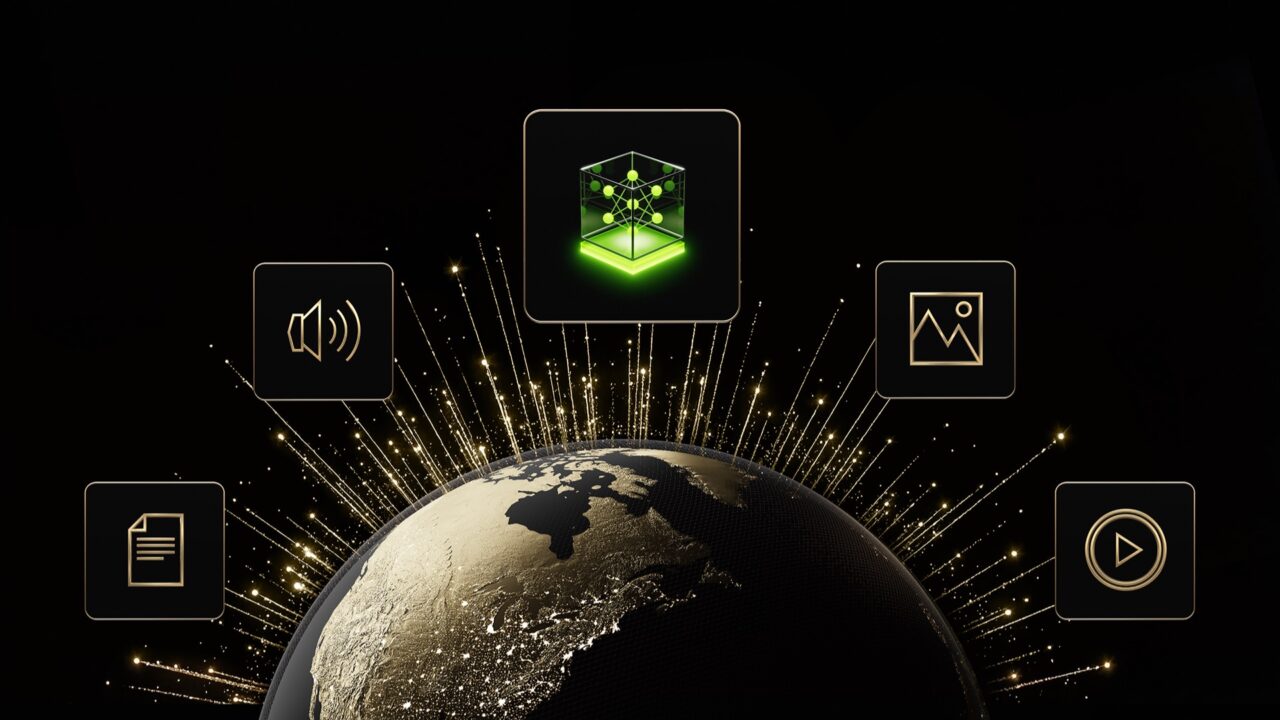
Nemotron 3 Nano Omni solves this by integrating vision and audio encoders into a single 30B-A3B hybrid MoE architecture. The model functions as the “eyes and ears” in a system of agents, working alongside larger models like Nemotron 3 Super and Ultra, or other proprietary models, to provide efficient multimodal perception.
What This Means
For enterprises and developers, Nemotron 3 Nano Omni offers a production path to building more efficient and accurate multimodal AI agents without sacrificing responsiveness. The ninefold throughput improvement directly translates to lower cost and better scalability, making real-time agentic systems practical for high-volume use cases such as automated customer support, financial document analysis, and healthcare diagnostics.
“This isn’t just a speed boost,” Cloix emphasized. By enabling rapid interpretation of full HD screen recordings and unified processing of audio, video, and text, the model fundamentally changes what AI agents can achieve in real time. Companies evaluating the model, including Oracle and Docusign, are expected to announce integrations later this year.
The open availability of Nemotron 3 Nano Omni allows enterprises to deploy with full control and flexibility, reducing reliance on proprietary, closed-source alternatives while maintaining state-of-the-art accuracy.
Related Articles
- How to Access and Compile the Earliest DOS Source Code Released by Microsoft
- 7 Key Insights About NVIDIA's Nemotron 3 Nano Omni: The Unified Multimodal AI Model
- 10 Insider Facts About the Python Security Response Team's New Era
- Mastering Multi-Agent Coordination: Challenges and Strategies at Scale
- AI Coding Agents Take Center Stage: JetBrains × Codex Hackathon Winners Revealed
- Go 1.26's Source-Level Inliner: A Self-Service Tool for API Migrations
- 6 Tips to Reduce Heap Allocations in Go with Stack Allocation
- 4 Key Updates in the Python for VS Code October 2025 Release