Stack Overflow Co-Founder Warns AI Companies: 'Don't Kill the Goose That Lays the Golden Eggs'
In a deeply personal blog post, Jeff Atwood, co-founder of Stack Overflow and Discourse, issued a stark warning to generative AI companies: their reliance on community-generated data could backfire if they destroy the very communities that produce it.
Atwood, reflecting on his father's recent passing and the ongoing rural guaranteed minimum income (GMI) study he helped fund, emphasized that AI models—especially large language models (LLMs)—owe their coding abilities to the high-quality dataset created by Stack Overflow contributors.
"Did you know that LLMs basically could not code at all without access to the extremely high quality creative commons programming Q&A dataset that all of us built together at Stack Overflow?" Atwood wrote. "Don't take it from me, ask the LLMs. They'll tell you themselves."
A Personal Loss and a Policy Win
Atwood revealed that October 2025 was the last time he saw his father, who lived in Mercer County, West Virginia—one of the first counties in a reordered GMI study funded by Atwood's Rural Guaranteed Minimum Income Initiative (RGMII).
"I knew dad was close to the end, and sure enough, that was the last time I ever saw him," Atwood said. Despite the loss, he framed the experience as gain rather than loss: "Nothing was lost. Everything was gained."
Background: The Stack Overflow Dataset and AI
Stack Overflow, founded in 2008 by Jeff Atwood and Joel Spolsky, became the defacto knowledge base for programmers worldwide. Its creative commons–licensed Q&A dataset has been instrumental in training modern coding AI assistants.
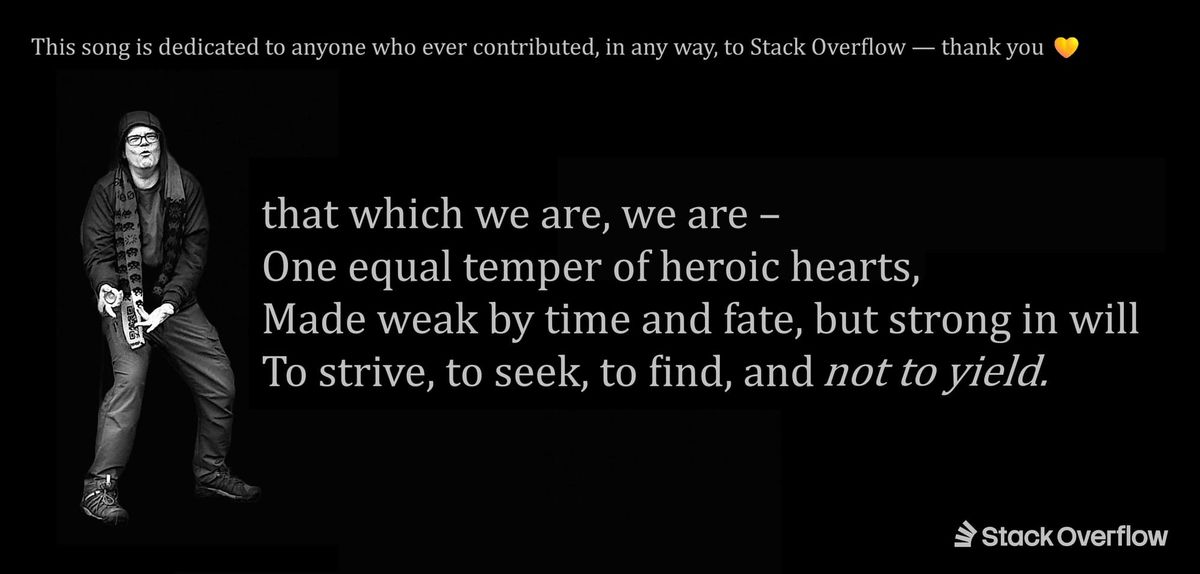
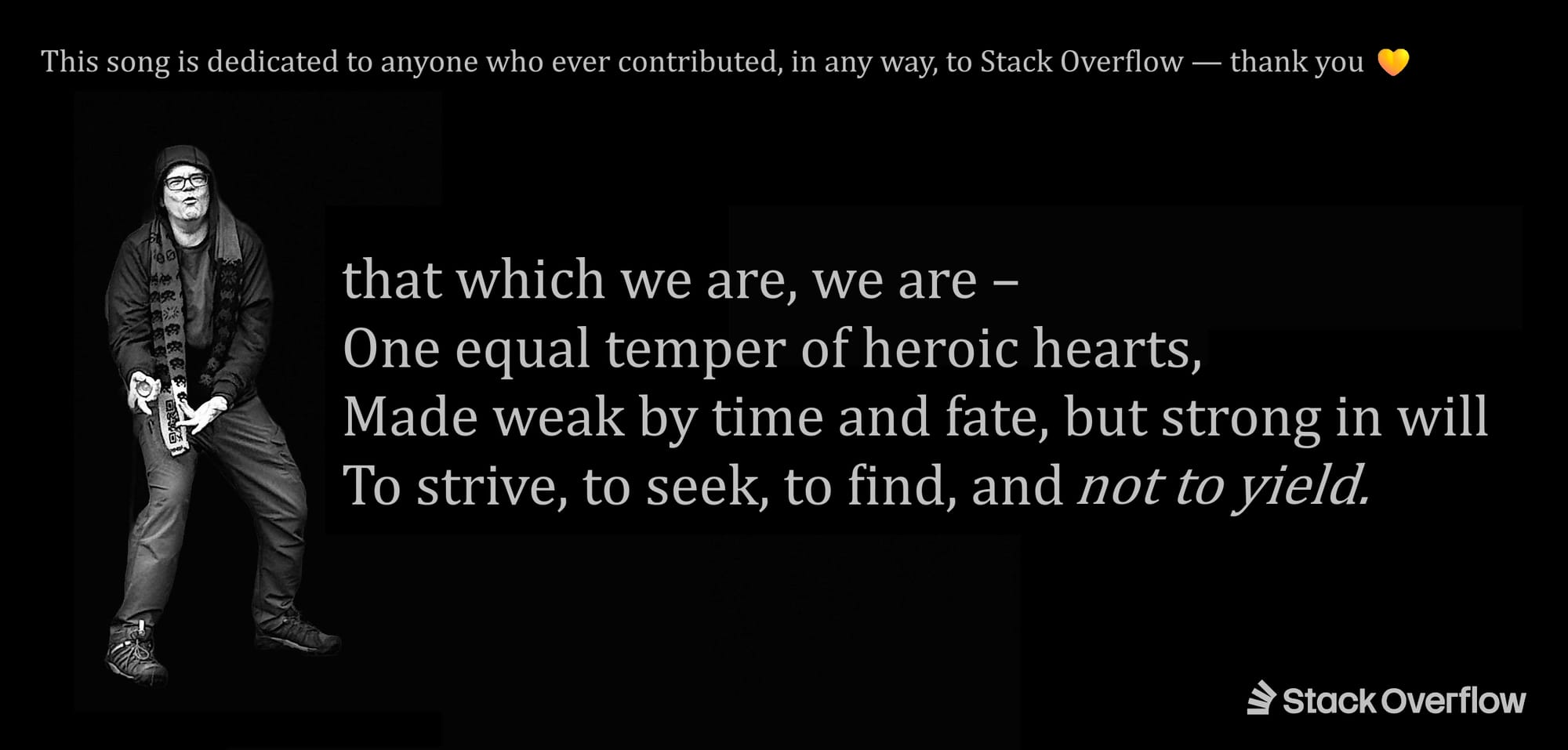
Atwood warned that if AI companies "hollow out" the communities generating that data, they will regret it. He recalled the advice he gave Spolsky when leaving Stack Overflow to start Discourse: "do not, for any reason, under any circumstances, kill the goose that lays the golden eggs... the human community around your product that does all the real work."
What This Means for the AI Industry
Atwood's message is clear: AI companies must respect and sustain the communities that provide their training data. Without reciprocal support—such as attribution, compensation, or community reinvestment—the data pipeline could dry up.
"Just treat the community with the respect they deserve... that we all deserve," he wrote. The warning echoes broader concerns about data sourcing and the ethical obligations of AI developers.
Atwood concluded with gratitude: "Thank you for being a friend, because there's no way I could have done any of this without you."
Related Articles
- From Prompt to Production: Building an AI-Powered Coaching SaaS with MeDo
- Navigating the Era of Storage Shortages: How to Secure Five-Year Supply Agreements for SSDs and HDDs
- Budget Bluetooth Speaker Survives 7-Day Ordeal in Wettest Region – Expert Recommends It for Adventurers
- Swift 6.3 Arrives with Groundbreaking C Interoperability and Android SDK
- How to Navigate the New Era of AI-Driven Vulnerability Discovery: A Step-by-Step Guide for Security Teams
- Six Critical Reasons Why the UK Should Abandon Digital ID Plans
- Google Chrome's On-Device AI Model Can Consume 4GB of Storage: What You Need to Know
- NetBSD 11.0-RC4: 10 Key Things to Know About the Upcoming Major Release