The Rise and Fall of Episodic Gaming: 10 Things You Need to Know About SiN Episodes: Emergence
In May 2006, a little-known shooter named SiN Episodes: Emergence hit Steam, backed by none other than Valve. It was supposed to be the first of nine episodes, heralding a new age of episodic gaming—but only one ever saw light. Behind the scenes, it was a project torn between 90s publishing traditions and 00s digital revolutions. Here are 10 key facts about this forgotten experiment.
1. The Bold Promise of Episodic Gaming
In the mid-2000s, episodic gaming was the next big thing. Valve’s Half-Life 2: Episode 1 was about to launch, and Ritual Entertainment jumped on the trend with SiN Episodes: Emergence. The idea was simple: release smaller, cheaper games more frequently, like TV seasons. But while Valve eventually stalled after two episodes, Ritual couldn’t even manage a second. The concept was ahead of its time—players weren’t ready for fragmented stories, and developers underestimated the production challenges.

2. Valve’s Endorsement: Gabe Newell’s Vision
Valve co-founder Gabe Newell personally praised Ritual in the launch press release, stating the studio was “leading the industry’s long overdue migration to producing episodic content.” This was huge—Valve’s stamp of approval meant SiN Episodes had a powerful ally. Yet even with that backing, the game struggled. Newell’s vision of a rapid-release model clashed with the reality of game development, where complex assets and story arcs couldn’t be churned out like TV scripts.
3. The Ambitious Nine-Episode Plan
Ritual planned nine episodes set in the sci-fi megalopolis Freeport City. Each was to be a self-contained story arc, building toward a larger narrative. The first episode, Emergence, introduced protagonist John Blade and a mutant plague. But the scope was huge—nine episodes meant years of work, tight budgets, and constant iteration. In practice, the team couldn’t sustain the pace, and the plan collapsed after the first release.
4. A Release Date That Changed Everything
SiN Episodes: Emergence launched on May 10, 2006—just a month before Valve’s own Half-Life 2: Episode 1. That timing was no coincidence; Ritual wanted to ride the episodic wave. But releasing so close to a Valve title meant direct comparison. While HL2: Episode 1 was polished and well-received, SiN felt rough around the edges. It wasn’t a fair fight, but it did highlight how difficult it was to compete with the very company that championed the format.
5. The Technical Leap: Source Engine and Steam
Ritual licensed Valve’s Source engine for the game, giving it a visual boost over the original SiN from 1998. Steam also provided a digital distribution platform, eliminating the need for physical copies. This was cutting-edge for 2006—few indie-sized studios had access to such tools. Yet the engine was still new, and Ritual struggled with its quirks. The game suffered from performance issues and a lack of polish, proving that tech alone can’t guarantee success.
6. The Struggle Between Old and New Publishing Models
As developers, Ritual’s team was caught between two worlds. On one hand, they had traditional publisher expectations: boxed retail copies, physical manuals, and long development cycles. On the other, they embraced the digital future: short episodes, frequent updates, and direct-to-consumer sales. This tension fractured the team’s workflow. “We were trying to do something different,” one developer recalled, “but the old ways kept pulling us back.” The result was a hybrid that pleased no one.
7. The PC Gamer Exclusive: “Faking the Shit Out Of” Screenshots
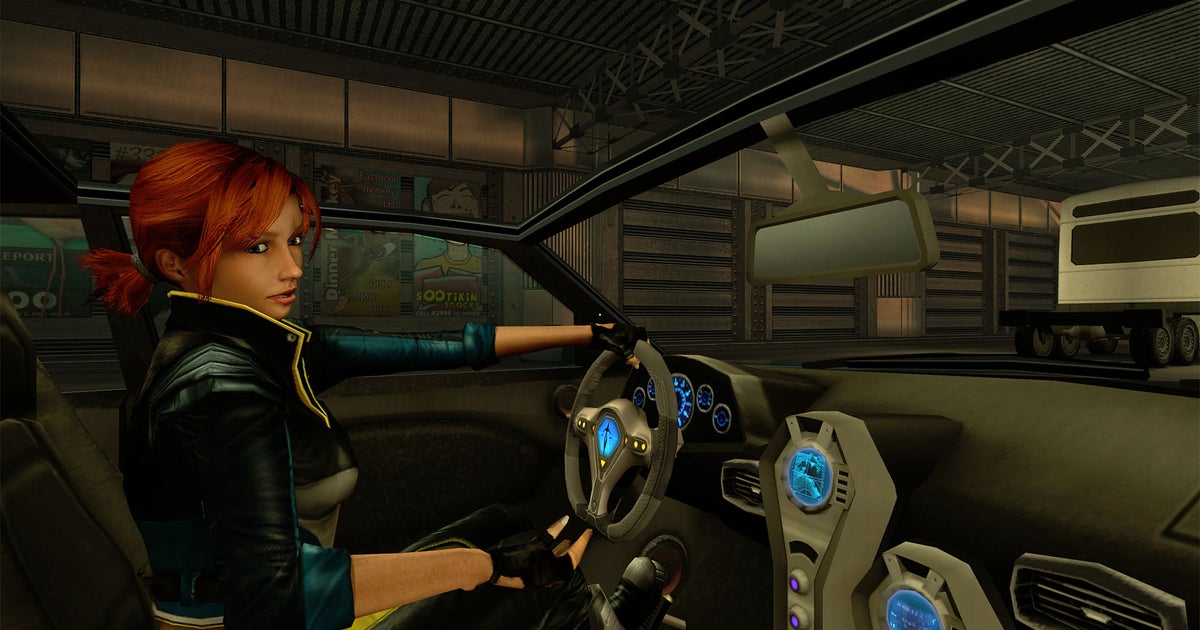
To hype the game, Ritual scored a PC Gamer exclusive cover story. But the screenshots they submitted were, in their own words, “faked the shit out of.” They manipulated images using photoshop and in-engine tweaks to make the game look better than it was. This was common practice at the time, but it backfired. When players saw the real game, they felt misled. It damaged trust and hurt sales—a lesson in the dangers of overhyping.
8. Why Only One Episode Ever Released
Several factors killed the series: poor sales, technical issues, and internal strife. The first episode didn’t sell well—partly because of its bumpy launch, partly because gamers were skeptical of the episodic model. Meanwhile, Ritual’s parent company (MumboJumbo) shifted focus, and key staff left. By 2007, the planned second episode was quietly canceled. The dream of nine episodes died, leaving only Emergence as a testament to what could have been.
9. Legacy of SiN Episodes: Emergence
Today, SiN Episodes: Emergence is a footnote in gaming history. It’s often cited as a cautionary tale about the risks of episodic content. Yet it also highlighted the potential of Steam as a platform for indie developers. The game’s Source engine roots mean it still runs on modern PCs, and it has a small cult following. For those who played it, it’s a curious artifact of a time when the industry tried to reinvent itself.
10. Lessons Learned for the Gaming Industry
The failure of SiN Episodes taught developers valuable lessons. Episodic gaming requires a sustainable production pipeline—something even Valve struggled with. It also proved that hype and tech partnerships aren’t enough; the game itself must be solid. The industry eventually found success with episodic models in titles like The Walking Dead by Telltale, but that took years. Ritual’s attempt was too early, too ambitious, and too undercooked.
SiN Episodes: Emergence may have failed, but it wasn’t a waste. It showed the industry’s willingness to experiment, even when the odds were stacked. Today, episodic gaming exists in many forms—from Life is Strange to Hitman—and each owes a small debt to this forgotten shooter. It’s a reminder that progress often comes from failure, and that trying something different is always worth the risk.
Related Articles
- How to Uncover Future Characters in Invincible Vs: A Datamining Guide
- How to Restore Broken Audio on Steam Deck OLED: A Guide to the Linux 7.1 Kernel Fix
- Crimson Desert's Latest Update Introduces Boss Rematches and Dynamic Faction Resurgence
- 10 Ways the Vivo X300 Ultra Exposes Samsung's Weaknesses
- Experts Warn: Windows 11 HDR Is Overhyped—Focus on These Monitor Settings Instead
- Anbernic Unveils RG Rotate: Flip-Out Screen Handheld Console Starting at $88
- New Game Forces Players to Literally Battle Their Steam Backlog — And the More You Spent, the Tougher the Fight
- How to Deploy AI Coding Agents in Persistent, Isolated Cloud Sandboxes