Cowboy Space Secures $275M to Build Orbital AI Data Centers with In-House Rocket
Introduction
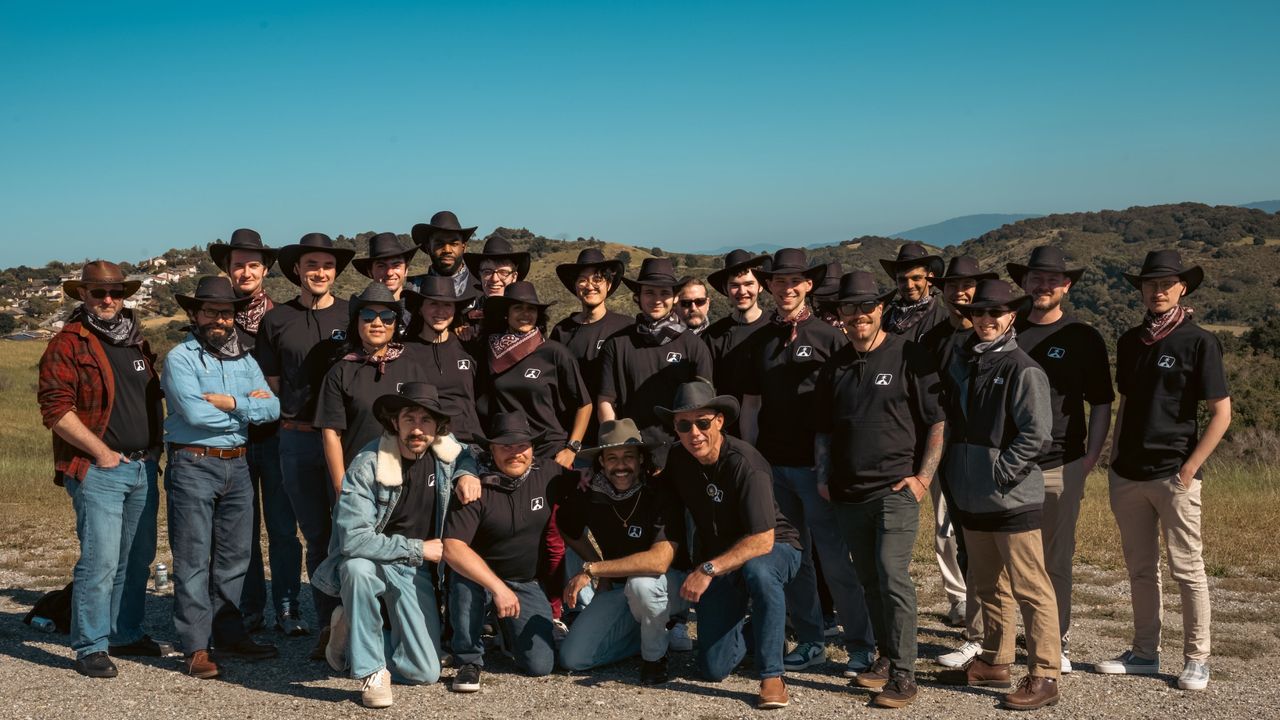
In a bold move that merges the frontiers of artificial intelligence and space exploration, Cowboy Space Corp. has announced a $275 million funding round to develop and operate AI data centers in low Earth orbit. The newly rebranded company plans to launch these orbital facilities using its own proprietary rocket, signaling a major shift in how high-performance computing might be delivered from space. This article examines the ambitious plan, the technology behind it, and what it could mean for the future of AI infrastructure.
The $275 Million Investment
The funding round, led by a consortium of venture capital firms and strategic investors, positions Cowboy Space to accelerate development of its space-based data centers. According to the company, the capital will be allocated to three key areas:
- Rocket development – Finishing the design and testing of a new, reusable launch vehicle tailored for deploying data center modules.
- Orbital infrastructure – Building and assembling the AI data centers, which will house specialized hardware for machine learning and real-time data processing.
- Operational readiness – Establishing ground stations, network links, and control systems to manage the orbital cluster.
Cowboy Space expects its first data center to be operational within 24 months, pending successful test flights of the rocket.
Why Put AI Data Centers in Orbit?
Traditional AI data centers are terrestrial, relying on vast server farms connected by fiber optics. However, orbiting data centers offer distinct advantages:
- Low latency for global users – Satellites in low Earth orbit can reduce round-trip data transmission times compared to ground-based centers located far from end users.
- Edge computing at scale – Orbital facilities can process data closer to IoT sensors, autonomous vehicles, and remote operations needing rapid AI inference.
- Energy independence – Solar panels in space capture uninterrupted sunlight, potentially reducing reliance on fossil fuels or struggling grid infrastructure.
- Resilience – Space-based systems are less vulnerable to terrestrial disasters like earthquakes, floods, or cyberattacks on ground cables.
AI-Specific Benefits
For AI workloads that require massive parallelism and real-time response—such as autonomous navigation, climate modeling, or financial trading—orbital data centers could provide an edge. The vacuum and stable temperature of space also allow for more efficient cooling of dense server racks.
The Homegrown Rocket: A Key Enabler
Cowboy Space is not just building data centers; it is also developing its own launch vehicle, internally named the Mustang LV. The rocket is designed to be partially reusable, reducing costs per launch. Key specifications shared by the company include:
- Payload capacity: ~5,000 kg to low Earth orbit
- First stage powered by nine liquid methane engines
- Second stage designed for multiple restarts, allowing precise deployment of data center modules
- Launch site planned for Vandenberg Space Force Base, California
By owning the launch capability, Cowboy Space can iterate faster and avoid reliance on external providers like SpaceX or Rocket Lab.
Competition and Market Context
The concept of orbital data centers is not entirely new. Startups like Axiom Space and Orbital Sidekick have explored edge computing in space, and cloud giants such as Microsoft and Amazon have experimented with Azure Orbital and AWS Ground Station. However, Cowboy Space’s focus on AI-specific hardware and a dedicated rocket sets it apart.
“We’re essentially building the first cloud-native space data center,” said the company’s CEO in a recent interview. “AI workloads are hungry for throughput and low latency. Putting them above the clouds—literally—is the next logical step.”
Challenges Ahead
Despite the bold vision, formidable hurdles remain. Space-based data centers must contend with:
- Radiation – Cosmic rays can damage sensitive electronics, requiring redundant systems and error-correcting software.
- Deorbit and debris – Satellites have a finite orbital life; Cowboy Space will need to plan for controlled deorbiting or refueling.
- Bandwidth bottlenecks – Even with advanced laser links, downlinking huge AI models to Earth could be constrained.
- Regulatory approvals – International frequency allocation and export controls for AI chips are complex.
What’s Next for Cowboy Space?
With $275 million in the bank, Cowboy Space is now entering a critical execution phase. The company plans to conduct a suborbital test flight of the Mustang LV within 18 months, followed by a demonstration data center module. If successful, it could revolutionize how AI infrastructure is deployed, making high-performance computing accessible from orbit.
For now, the investment signals strong investor confidence in the convergence of space and AI. As the company’s CEO put it, “We’re not just launching rockets—we’re launching the next generation of computing.”
Related Articles
- The Unseen Trade-Off of AI Efficiency: Losing the 'Bugs' That Foster Team Cohesion
- Mastering Location Cues on Social Media: A Guide to Boosting Audience Connection
- El Niño on the Horizon: Could a Strong Event Push Earth Past the 1.5°C Threshold?
- How to Investigate Mysterious 'Little Red Dots' from JWST Using X-Ray Data
- Europe's Copernicus Radar Constellation Complete: Sentinel-1D Now Operational
- 10 Essential Heroes and Villains of 'Masters of the Universe' You Need to Know
- How to Transport and Assemble NASA's SLS Core Stage for Artemis III
- ‘The Devil Wears Prada 2’ Shatters Box Office Records, Mirroring ‘Super Mario Galaxy’ Sequel Triumph