Space Station Investigation Reveals Pneumonia Bacteria's Hidden Impact on Heart Cells
Breaking News: Pneumonia in Space Sparks New Heart Disease Insights
Expedition 74 astronauts aboard the International Space Station are uncovering how Streptococcus pneumoniae—the leading cause of community-acquired pneumonia—triggers long-term cardiac damage. Researchers observed stem cell-derived heart tissues reacting to bacterial infections in microgravity, revealing cellular responses invisible on Earth.
"By exacerbating the infection, we anticipate clear separation of the infection and control groups, making it easier to identify subtle factors that promote bacterial virulence," said Dr. Palaniappan Sethu, professor of Medicine and Biomedical Engineering at the University of Alabama at Birmingham (UAB).
The findings could reshape treatment for pneumonia-related heart complications, which affect over a quarter of hospitalized adults. Even after full recovery, survivors face increased cardiovascular risk.
Background: Why Space?
In microgravity, bacteria become more virulent and drug-resistant. Scientists exploit this exaggerated response to amplify interactions between S. pneumoniae and heart tissue, making faint signals detectable. "Addressing these questions is essential for ensuring human health during long duration space travel," said Dr. Carlos J. Orihuela, UAB professor of Microbiology.
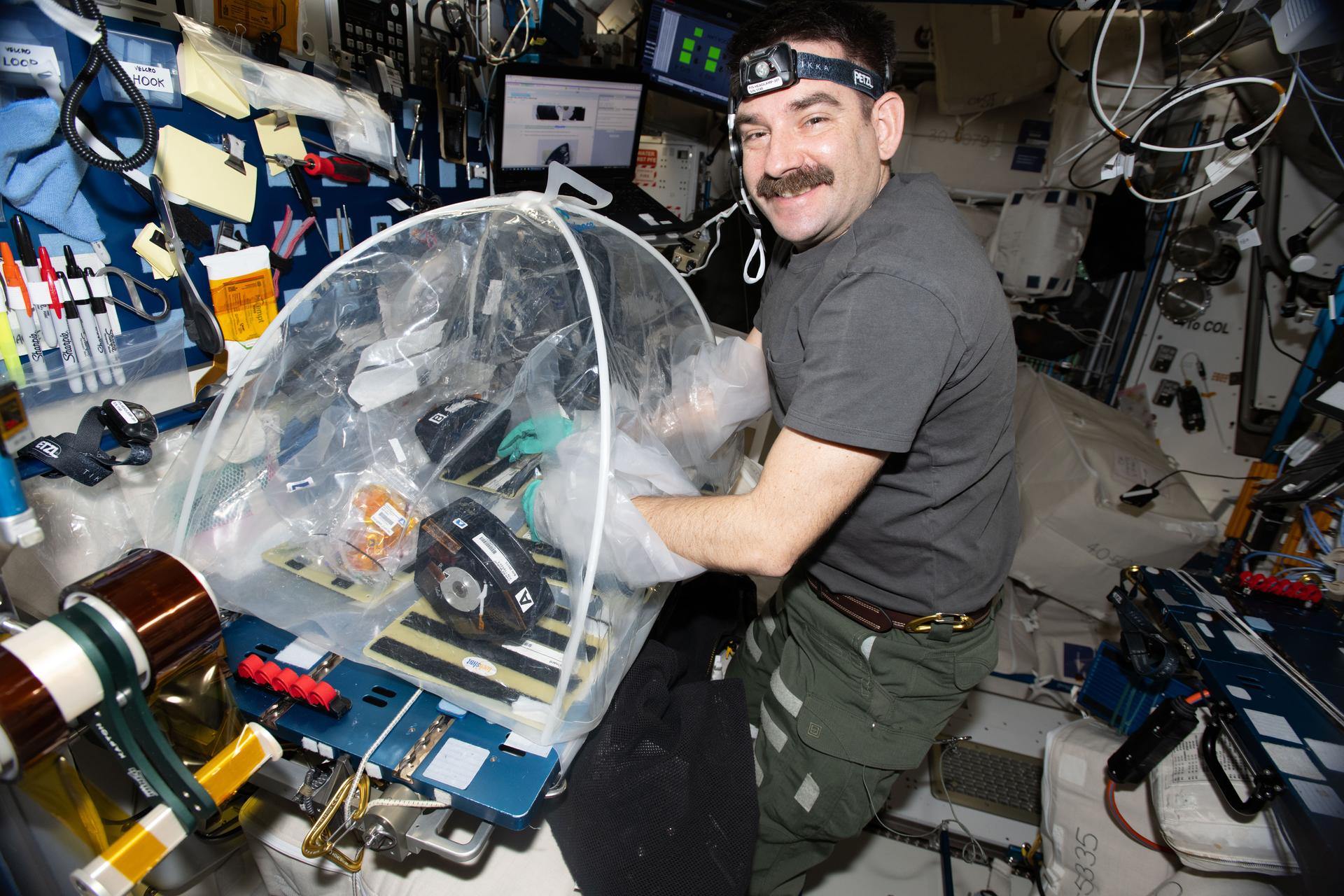
The MVP Cell-09 investigation (full story: see below) uses a portable glovebag aboard the ISS. Preflight imagery shows stem cell-derived heart tissue models—key to studying infection dynamics.
For 25 years, the space station has served as a unique lab for microbe-host interactions. Deep space missions will rely on these insights to protect astronauts from infection-related heart issues.
Key Findings: How Pneumonia Harms the Heart
- Exaggerated virulence: Space conditions make S. pneumoniae more aggressive, revealing infection pathways invisible in Earth labs.
- Stem cell models: Heart cells derived from human stem cells allow precise observation of bacterial damage without patient risk.
- Long-term risk: Even after pneumonia clears, cellular changes may persist—suggesting new drug targets.
"Our experiments are expected to generate new insights into how space specific factors influence disease progression," Orihuela added.

What This Means
This research bridges two frontiers: space medicine and terrestrial cardiology. On Earth, it could lead to therapies that prevent heart damage after pneumonia. In space, it will help design countermeasures for astronauts on months-long missions.
Dr. Sethu emphasized: "Pinpointing the factors that make bacterial infections more severe in space could reveal targets for treatment." The study also supports development of rapid diagnostic tools for infection-related cardiac risk.
The space station enables advanced study of disease formation, drug testing, and diagnostics—benefiting humans both on Earth and beyond.
Next Steps
Researchers at UAB and Redwire Space (read about preparation work) are analyzing data from MVP Cell-09. Future experiments will test drugs that block bacterial adhesion to heart cells.
As humans venture to the Moon and Mars, this knowledge becomes critical. "Ensuring sustainable habitation beyond Earth depends on understanding how space alters disease," Orihuela concluded.
Related Articles
- How to Evaluate Weather Forecasting Models for Extreme Events: A Step-by-Step Guide
- Demystifying Word2vec Learning: From Gradient Flow to PCA
- Decoding the Glycerol-TNAP Switch: How Cold Exposure Unlocks Brown Fat's Alternative Heat-Producing Pathway
- Deep Below the Pacific Ocean, a Tectonic Plate Is Tearing Apart
- Space News Roundup: Starship, Blue Moon, and the Golden Dome Defense Initiative
- NASA's Psyche Mission Set for Close Mars Flyby on May 15: Key Details and What It Means
- The Keto Diet's Surprising Mental Health Benefits: From Weight Loss to Treating Depression and Bipolar Disorder
- Space Force Reveals Golden Dome Interceptor Partners Amid Rocket Launch Calendar