Building a Semi-Autonomous Electric Material Handling System for Recycling Plants
Overview
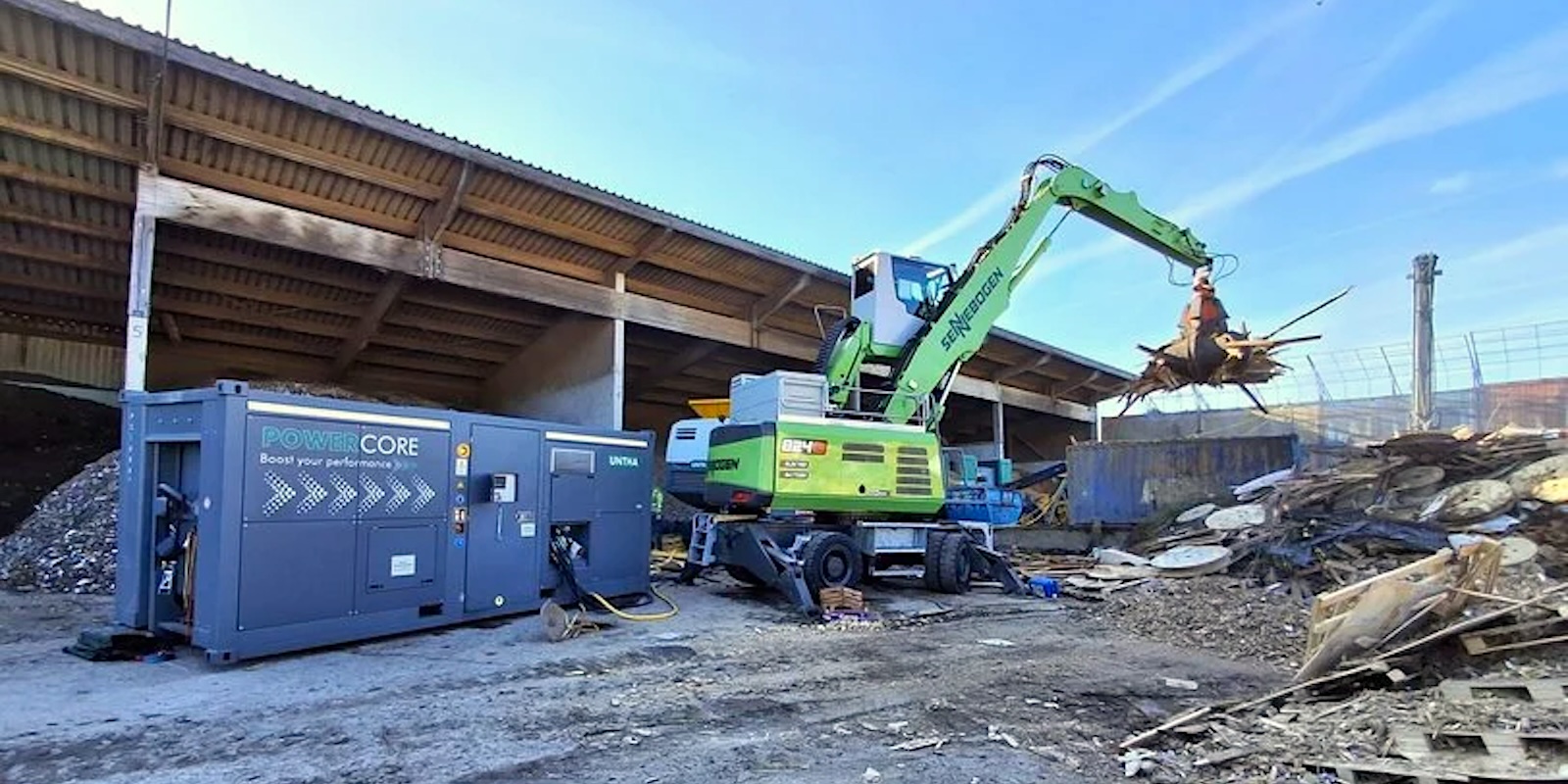
The recycling industry is constantly seeking ways to boost throughput while reducing carbon emissions and operational costs. A recent demonstration by German equipment manufacturer Sennebogen showcased a compelling solution: a semi-autonomous material handler that combines an electric wheeled excavator, a mobile battery pack, and a mobile shredder. This guide provides a technical yet accessible walkthrough for recycling plant managers and automation engineers who wish to understand and potentially implement such a system. We'll cover the core components, the integration process, autonomy workflows, and common pitfalls to avoid.
Prerequisites
Before diving into the implementation, ensure you have the following in place:
- Existing recycling plant infrastructure: Material flow lines, sorting stations, and storage areas.
- Basic knowledge of industrial automation: Familiarity with PLCs, sensors, and telemetry.
- Electric wheeled excavator: Sennebogen's 955E or equivalent model with CAN bus interface.
- Mobile battery system: High-capacity lithium-ion pack with integrated inverter and charge controller (e.g., 200 kWh).
- Mobile shredder: Low-speed, high-torque shredder with remote start/stop and load monitoring.
- Wi-Fi or private 5G network: For real-time data communication between components.
- Software stack: ROS2 (Robot Operating System) or custom Python scripts for autonomy, plus an MQTT broker for messaging.
Step-by-Step Instructions
1. System Architecture Design
Start by mapping the physical layout. The electric excavator will move between a charging station (mobile battery) and the shredder feed area. The shredder processes scrap metal, wood, or mixed waste. The semi-autonomous workflow involves three phases: autonomous travel from battery to shredder, automated grabbing and feeding, and return to recharge.
2. Electric Excavator Conversion for Autonomy
The excavator must be retrofitted with sensors and actuators. Install:
- LiDAR (2x): SICK TIM561 or Velodyne Puck for obstacle detection and localization.
- IMU and GPS: For odometry and global positioning.
- Industrial PC: Robust embedded computer (e.g., Advantech UNO-2271G) running Ubuntu with ROS2.
- CAN-to-Ethernet adapter: To interface with the excavator's existing hydraulic joystick controllers.
Code snippet (Python placeholder) for reading CAN messages:
import can
bus = can.interface.Bus(channel='can0', bustype='socketcan')
for msg in bus:
    if msg.arbitration_id == 0x123:  # joystick position
        joy_x, joy_y = msg.data[0], msg.data[1]
        # forward to ROS topic
3. Mobile Battery Integration
The mobile battery acts as a portable charging point. Configure it with:
- CCS2 fast charging outlet compatible with the excavator's onboard charger.
- Battery management system (BMS) with CAN interface to report state of charge (SoC) to the central controller.
- Autonomous docking mechanism$ (optional) - magnetic alignment pins for precise positioning.
4. Mobile Shredder Control
The shredder must accept remote commands. Implement an MQTT client that listens to topics like shredder/start and shredder/stop. Also monitor motor current to detect jams. Example Python snippet:
import paho.mqtt.client as mqtt
client = mqtt.Client()
client.connect('192.168.1.100', 1883)
client.publish('shredder/start', '1')
5. Autonomous Navigation and Material Handling
Implement a state machine with ROS2:

- State: IDLE – wait for command from plant control system.
- State: NAVIGATE_TO_BATTERY – use LiDAR-based SLAM and path planning (like Nav2).
- State: DOCK_AND_CHARGE – approach battery, connect, and wait until SoC > 90%.
- State: NAVIGATE_TO_SHREDDER – repeat navigation.
- State: GRAB_AND_FEED – actuate excavator arm to scoop material from pile and dump into shredder hopper. Use computer vision (YOLOv8) to identify feed point.
ROS2 action server example (simplified):
class FeedActionServer:
    def execute(self, goal_handle):
        # Move arm to pre-grapple position
        # Open grapple, lower, close
        # Rotate to dump
        return Succes()
6. Safety Systems
Include emergency stop (E-stop) buttons on the excavator and remote, light curtains around the shredder, and a watchdog timer that halts movement if communication is lost. Use ROS2 safety_limiter package to enforce speed and force constraints.
Common Mistakes
- Ignoring network latency: Mobile battery and shredder must be on same low-latency subnet. Use wired Ethernet where possible.
- Insufficient sensor coverage: Single LiDAR can cause blind spots. Mount two at 45° angles.
- Underestimating power consumption: The excavator may run out of charge before reaching the battery. Plan route to minimize travel distance.
- Neglecting material variability: The shredder feed rate must adapt to material type. Implement torque feedback loop.
- Poor human-machine interface: Operators need clear dashboard showing system state, SoC, and error codes.
Summary
This guide walked you through building a semi-autonomous electric material handler inspired by Sennebogen's demonstration. By integrating an electric wheeled excavator with a mobile battery and shredder, you can significantly improve throughput and efficiency in recycling plants while reducing emissions. The key steps involve retrofitting the excavator with autonomy hardware, configuring the battery and shredder for remote control, and implementing a robust state machine with navigation and manipulation capabilities. Avoid common pitfalls by ensuring reliable networking, adequate sensor coverage, and adaptive control algorithms. With careful planning, your recycling plant can achieve a greener, more productive future.
Related Articles
- Unlocking AI-Assisted Flutter Development: A Practical Guide to Dart & Flutter Skills
- Google Flutter Team Dumps Node.js and Python for All-Dart Website Stack
- 10 Key Climate Developments from Early May 2026: EU Fossil-Fuel Loopholes, UK Renewable Savings & More
- How to Fuel AI Innovation Through Strategic Energy Partnerships: Lessons from the Genesis Mission
- BYD Shatters Affordability Barrier: Entry-Level Seagull EV Now Available with LiDAR at Just $13,000
- Tesla's Self-Driving Promise: One Owner's Court Victory and Ongoing Battle
- BYD's April Exports Surpass Tesla's Global Sales: A Milestone in EV Competition
- 8 Exciting Projects We're Building at The Verge Right Now