OLED MacBook Pro Displays Reach Critical Manufacturing Milestone
Introduction
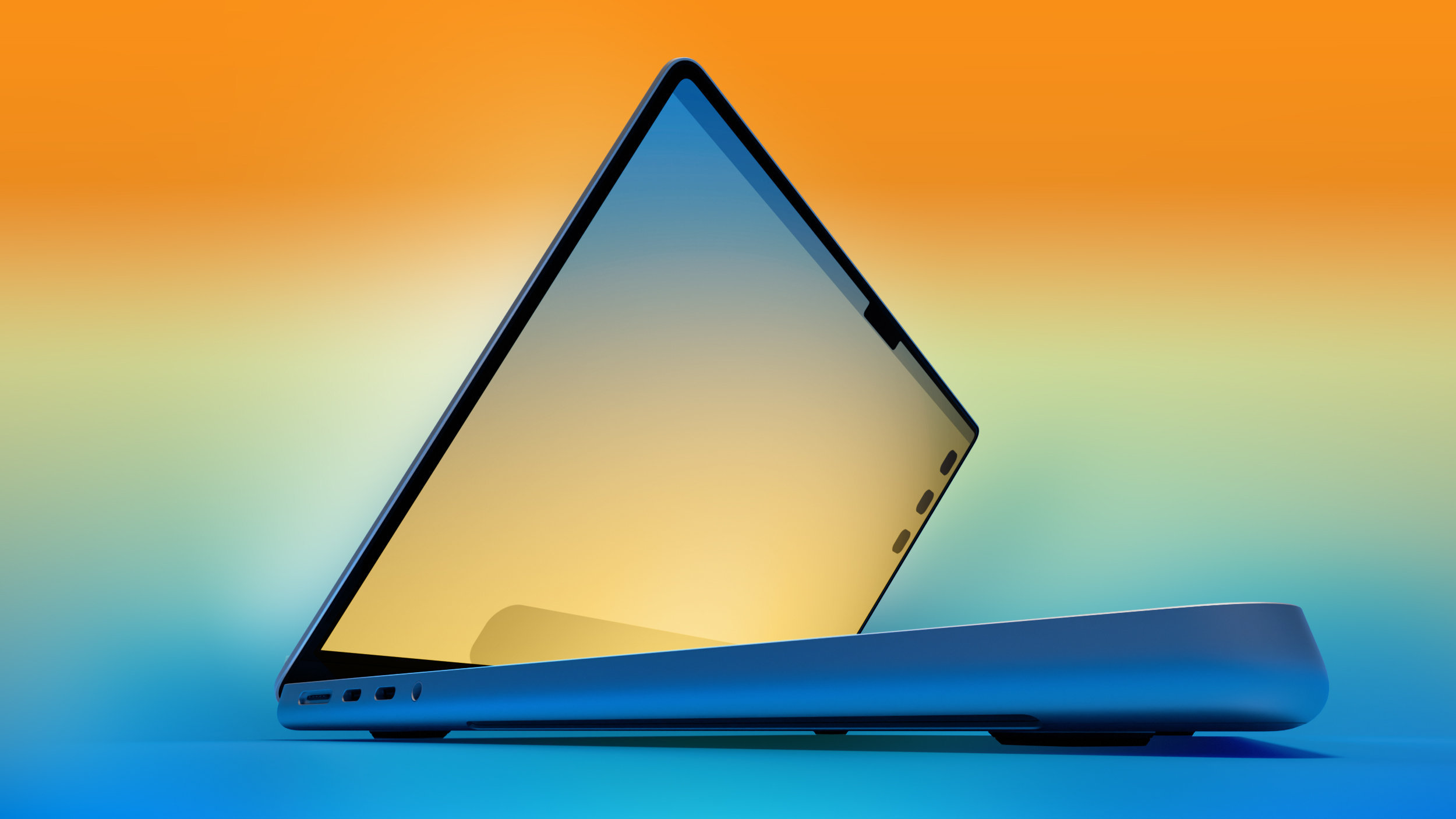
Apple's transition to OLED displays for the MacBook Pro has taken a significant step forward. Samsung Display, the primary panel supplier, has reportedly achieved a major manufacturing breakthrough that clears the path for mass production of OLED laptop panels. This development brings the next-generation 14-inch and 16-inch MacBook Pro models closer to reality, with sources indicating that shipments could begin as early as June.
Samsung's Yield Breakthrough Paves the Way for Mass Production
Golden Yield Achievement on Gen 8.6 Line
According to a report from Korean publication The Elec, Samsung Display's Gen 8.6 OLED fabrication line has achieved yields exceeding 90 percent. In certain individual process stages, yields have climbed to 95 percent—a threshold the display industry refers to as "golden yield". This level indicates that the manufacturing process is stable and reliable enough for high-volume production, a critical requirement for Apple's supply chain.
Production Line Status
Samsung began investing in its Gen 8.6 IT OLED production line in 2023 and currently operates one of two planned lines. The company is evaluating demand before activating the second line, which would significantly expand capacity. The initial supply volume for OLED MacBook Pro panels is estimated at around 2 million units this year, with potential to scale further if market reception is strong.
Technical Hurdles for Laptop OLED Panels
Manufacturing OLED panels for laptops is considerably more challenging than for smartphones due to larger panel sizes and stricter requirements for brightness, lifespan, and durability. Apple's MacBook Pro panels incorporate several advanced technologies to meet these demands.
Tandem OLED and Oxide TFT Technologies
The upcoming MacBook Pro displays are expected to use tandem two-stack OLED technology, similar to the approach Apple adopted for the iPad Pro. This design stacks two organic light-emitting layers to achieve higher brightness and improved efficiency. Additionally, the panels will employ oxide thin-film transistors (TFT) backplanes, which offer lower power consumption and better battery life compared to traditional LTPS TFTs. These enhancements are crucial for a device like the MacBook Pro, which demands excellent performance and long usage times.
Hybrid Encapsulation for Durability
To protect the OLED layers from moisture and oxygen—a common vulnerability in OLED displays—Samsung is using a technique called hybrid encapsulation. This method combines thin-film encapsulation with additional sealing layers, providing robust anti-moisture protection without adding excessive thickness. The approach ensures that the panels remain reliable over the long lifespan expected from a professional laptop.
Supply Chain Timeline and Volumes
First Shipments Expected by June
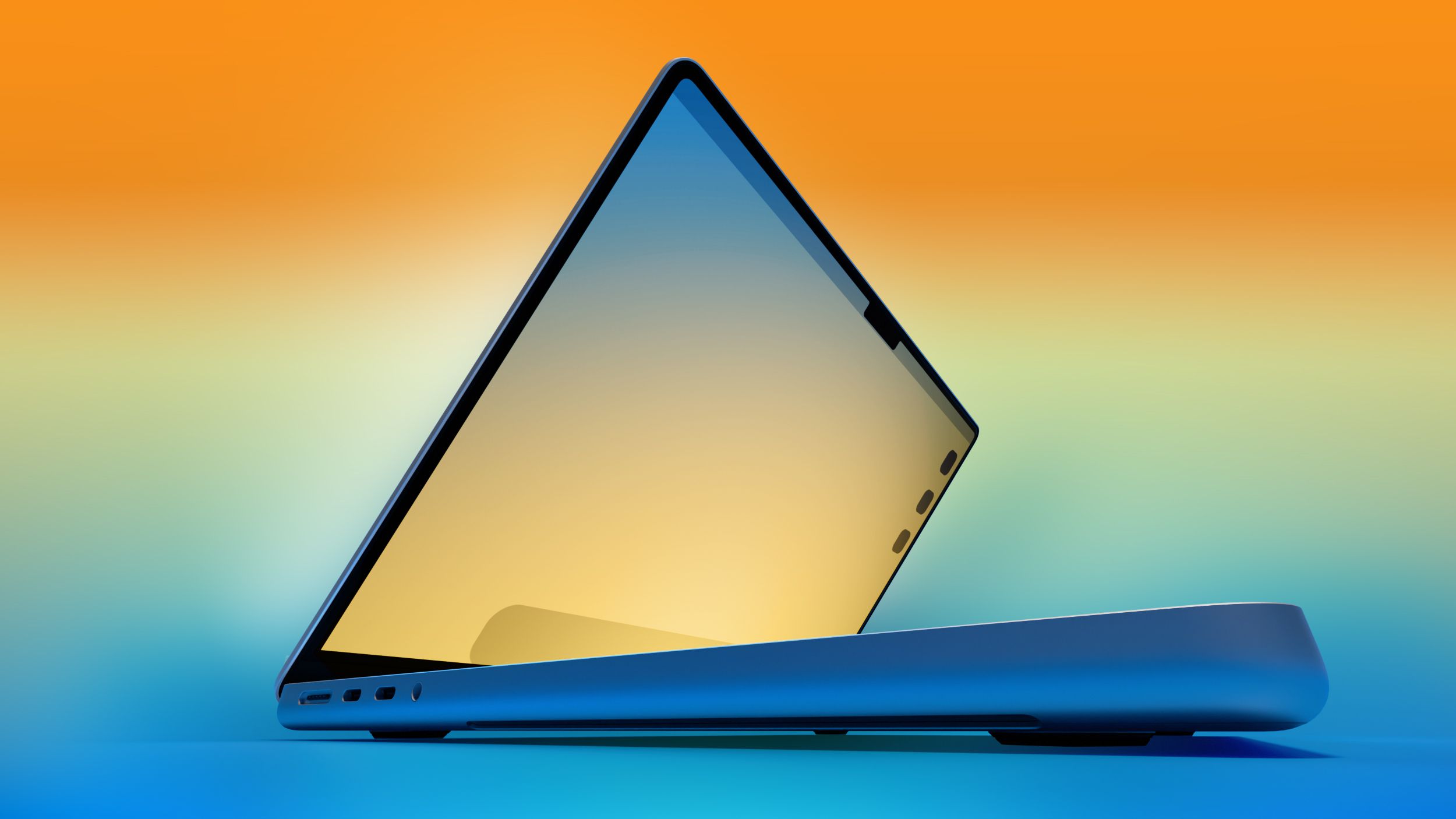
Having achieved golden yield on the Gen 8.6 line, Samsung is now on track to begin shipping OLED laptop panels through the supply chain as early as June. These panels are destined for the next-generation 14-inch and 16-inch MacBook Pro models. The initial supply volume is estimated at approximately 2 million units, which aligns with Apple's typical first-year production ramp for new display technology.
Capacity Expansion Plans
If demand for the OLED MacBook Pro—which will reportedly feature touchscreen capability for the first time—exceeds expectations, Samsung could activate its second planned Gen 8.6 production line. This expansion would allow the supplier to increase output and meet any surge in orders. The decision to ramp up capacity will likely depend on early market performance and Apple's sales forecasts.
MacBook Pro Launch Window Shifts
Bloomberg's Mark Gurman has repeatedly stated that the 14-inch and 16-inch OLED MacBook Pro models are slated to launch in late 2026 to early 2027. However, the latter time frame is now considered more likely due to an industry-wide chip shortage that has affected component availability. While the display production milestone removes one major obstacle, overall device assembly still depends on a stable supply of processors and other key parts.
Apple's transition to OLED in the MacBook Pro marks a significant upgrade over the current mini-LED and LCD panels. With improved brightness, color accuracy, and contrast, combined with a new touchscreen interface, the next-generation models are poised to appeal to creative professionals and power users alike. The achievement of golden yield at Samsung Display ensures that the display component—perhaps the most complex part of the new design—will not be a bottleneck in Apple's launch timeline.
Related Roundup: MacBook Pro
Tags: OLED, The Elec
Buyer's Guide: MacBook Pro (Buy Now)
Related Forum: MacBook Pro
Related Articles
- MacBook Neo Demand Surges Beyond Apple's Forecast, Says Tim Cook
- Cyber Espionage Group Silver Fox Targets India and Russia with Novel ABCDoor Malware via Tax Impersonation Emails
- Analog Voltmeter Clock: A Timeless Fusion of Retro Dials and Modern Microcontrollers
- Debian's Upcoming Release Strengthens Binary Integrity Checks to Thwart Supply Chain Attacks
- Navigating reCAPTCHA Changes on De-Googled Android: A Developer's Guide
- 5 Critical Vulnerabilities in SEPPMail Secure E-Mail Gateway You Must Know
- Emergency Kernel 'Killswitch' Proposal Offers Rapid Vulnerability Mitigation
- Cybersecurity Consultant Demand Explodes as Global Cybercrime Costs Top $10 Trillion